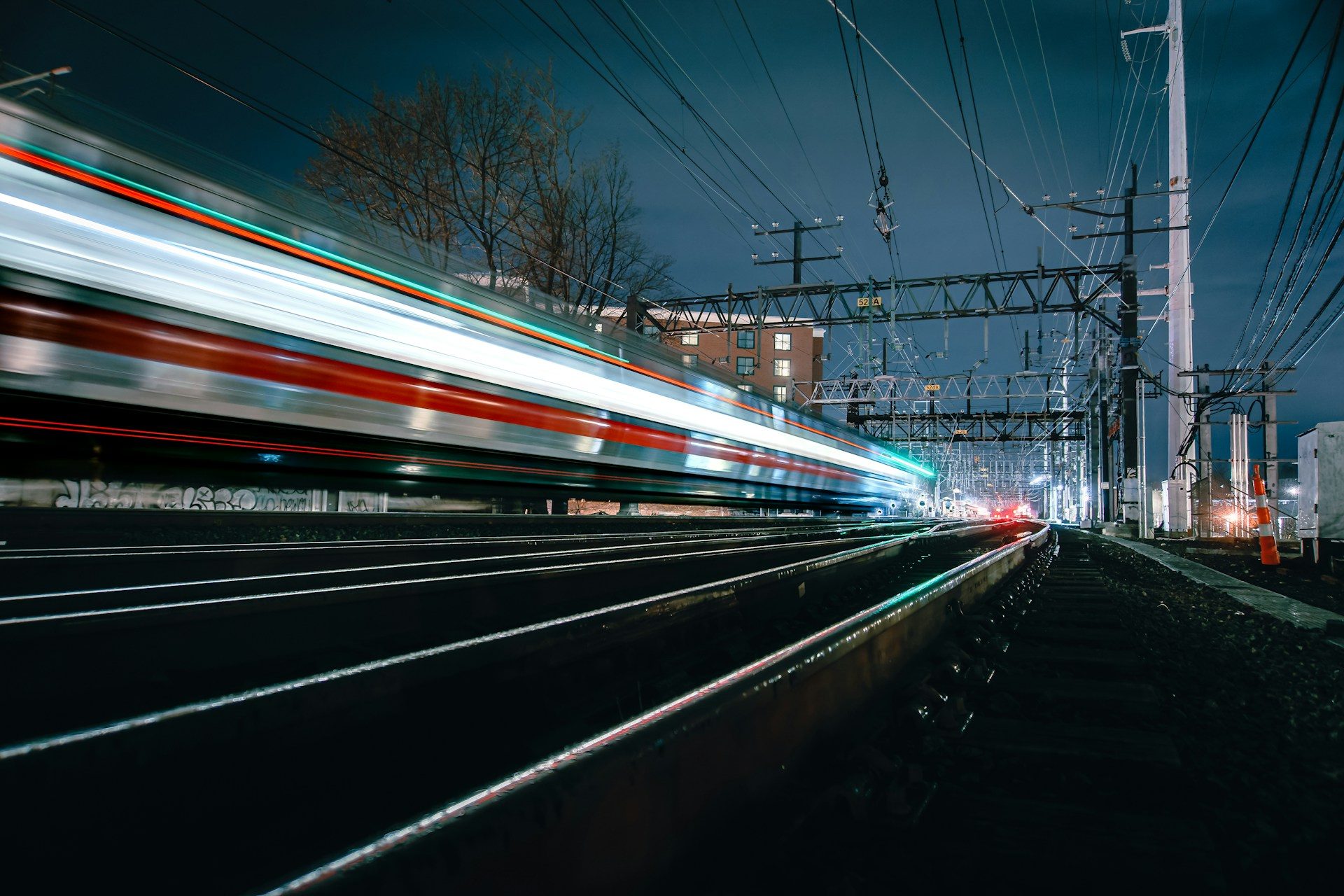

In 1851, a train left Manhattan headed for Albany. But this wasn’t just another upstate trip. It kicked off a movement. A ride that didn’t just connect cities, but changed how people saw New York forever.
Here’s the thing no tourist brochure will tell you: the Hudson Valley railway didn’t just carry passengers. It carried ambition. From railroad tycoons fighting over riverfront turf to hidden heritage rides most folks have never heard of…
The real story’s right outside your window.
This is no mere scenic route—it’s the most cinematic commute in America. And here’s why it still matters.
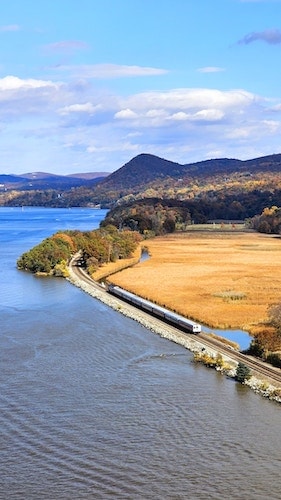
Running along the eastern edge of the Hudson River, this line takes you past:
- Castles
- Mansions
- And water views so good they’ll make even the most die-hard road-tripper consider ditching the car.
And people have been obsessed with this ride since day one.
Just think:
For almost two centuries, travelers have been staring out train windows at these same river curves. Only back then, they were jotting down their thoughts in leather-bound journals rathern than livestreaming it to their followers.
This is America’s most cinematic commute. And here’s why the Hudson Valley Railway isn’t just worth the ticket, it’s a time machine you’ll actually want to get stuck on.
Ready to discover everything you need to know about the Hudson Valley Railway? Let’s get into it:
 Map design by Stanton House Inn with elements from Flaticon

A Brief History of the Hudson Valley Railway
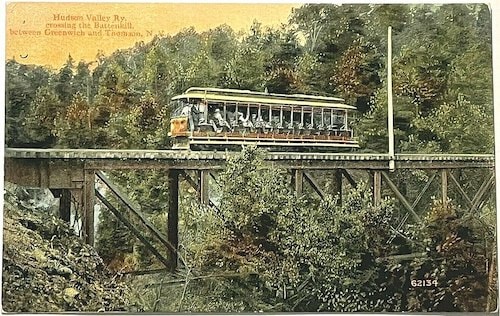
The story of the Hudson Valley railway doesn’t start with one tidy “once upon a time.” Like most good New York stories, it begins with:
- Ambition
- Competition
- And quite a bit of ego
Back in 1832, the New York & Harlem Railroad was the first to dip its toes into this newfangled “locomotion” thing. It ran trains from Manhattan to White Plains by 1844. Not to be outdone, the Hudson River Railroad got its charter in 1846. This line aimed for something far bolder: a continuous line hugging the Hudson River all the way north to meet the Troy and Greenbush Railroad. They wanted the river view seats.
By 1849, trains were puffing out of Chambers Street in Lower Manhattan, making their way up to Peekskill. Within months, the line pushed to:
- Poughkeepsie
- Then Hudson
And finally, on October 8, 1851, the dream became reality: New York City to Albany, with nary a single gap. The Hudson River towns were all abuzz:
- Newspapers
- Shopkeepers
- And farmers all excited for what this iron horse meant for their future
Enter Vanderbilt: The Commodore with Big Plans
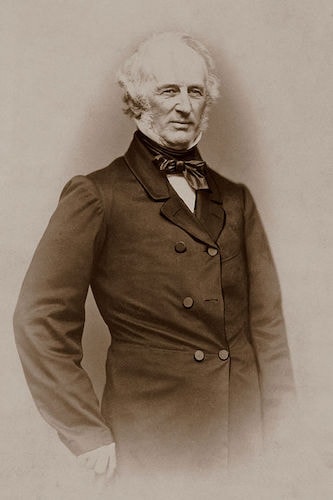
Now, no tale of the Hudson Valley railway is complete without Cornelius Vanderbilt. He’s the steely-eyed tycoon better known as “the Commodore.” He was the kind of guy who never bought one railroad when he could buy three.
In 1864, Vanderbilt scooped up the Hudson River Railroad. Two years later, he added the New York & Harlem line to his shopping cart. By 1869, he merged them into his empire: the New York Central & Hudson River Railroad. They later simplified the name to New York Central Railroad in 1914 (once they realized shorter names looked better on stationery).
By the mid-1900s, local lines had joined forces under the New York Central Railroad. The company proudly called its line “the Water Level Route.” Why? Because instead of climbing hills, it followed rivers. It made the trip smoother, faster, and a lot more comfortable.
Vanderbilt did innovate while collecting railroads like baseball cards. He built the Albany bridge in 1866. The move finally connected trains directly across the Hudson. Before that, you had to:
- Stop
- Shuffle onto ferries
- And then get back on a new train
Not exactly the seamless travel experience we’d expect today. Thanks to the bridge, the Hudson Valley railway became a powerhouse route. Its smooth service linked Manhattan to upstate New York and beyond.
Engineering Feats and a Path to Grand Central
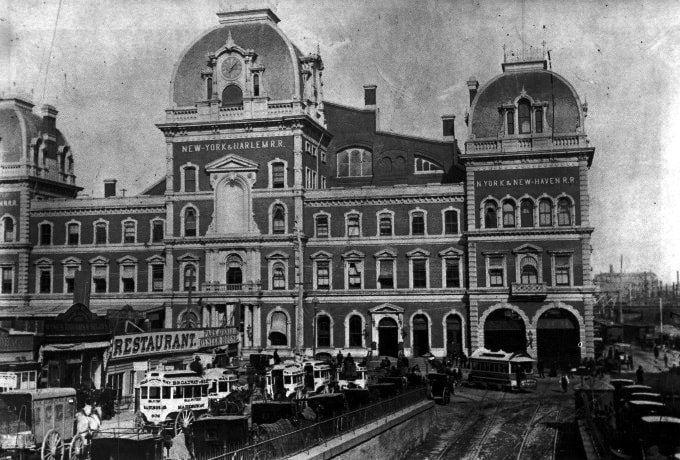
The late 1800s were the “renovation era” for the Hudson Valley railway. It was the HGTV makeover montage, for trains.
- 1871: A new connection through the Bronx rerouted passenger trains into the brand-new Grand Central Depot. Now, passengers arrived in a grand terminal rather than a random downtown street corner.
- 1893: Demand was so strong that the line added a third track between Spuyten Duyvil and Sing Sing. This did ease congestion. It also showed how vital the Hudson Valley line had become to commuters, business travelers, and weekend wanderers alike.
Each round of improvements brought us to the journey we know today: a train ride that gives you front-row seats to America’s most storied river valley.
A shame most commuters forget the wonder of it while living la via quotidienne.
Scenic Train Trips Through the Heart of New York
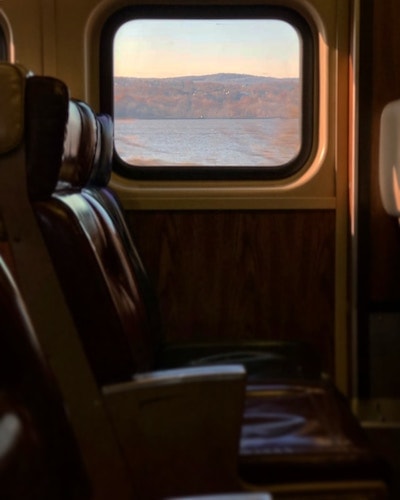
The Hudson Valley Railway is a rolling front-row seat to one of the most beautiful river views in the country.
Want to upgrade your trip from “pretty ride” to “unforgettable day”? Hudson River Rail Excursions is where it’s at. They offer full-day trips in lovingly restored 1940s railcars straight out of the golden age of train travel. Start in Amtrak’s fancy Metropolitan Lounge at Penn Station. Then step onto vintage cars where stewards—yes, in period uniforms—serve lunch and drinks while you roll past the Hudson. It’s a 7.5-hour round trip, and feels more like a vintage land cruise.
Each trip comes with:
- Light narration (so you know what you’re looking at)
- A mobile app that tells you about landmarks as you pass them
- A 2.5-hour stop in Albany to explore the capital
- A pre-departure tour of the train cars (with a red carpet moment, perfect for photos)
- Sunset views on the ride back, especially stunning in the fall
And if you want to venture beyond the main line, check out some of the Hudson Valley’s heritage railways:
- Catskill Mountain Railroad (Kingston): 90-minute rides west through forests, river valleys, and mountains. Bald eagles sometimes tag along.
- Delaware & Ulster Railroad (Arkville): Scenic rides with the option to dine aboard the elegant Rip Van Winkle Flyer.
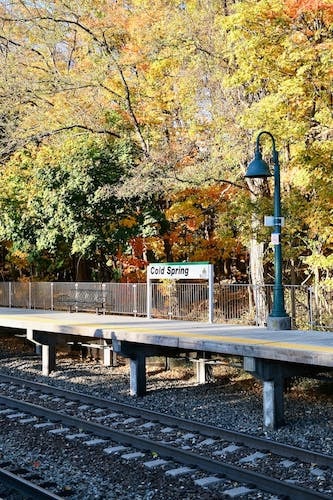
Many trains run themed excursions too, like:
- Easter Bunny Express
- Great Train Robbery
- Dinosaur Express
Perfect for kids, but let’s be real—adults love them too. They’re fun, nostalgic, and they help keep local rail history alive.
Sometimes the best part of the journey is slowing down just enough to notice what’s outside your window.
Hudson Valley Attractions
Every stop along the Hudson Valley line is a new potential adventure. This region didn’t earn its National Heritage Area badge for nothing.
Take Poughkeepsie, for example. It’s home to the Walkway Over the Hudson. This is a massive former railroad bridge turned pedestrian path that stretches 212 feet above the river. It’s now a magnet for over 600,000 visitors a year. From there, you can hop onto the local rail trail network, including the gorgeous Wallkill Valley Rail Trail. The trail winds through forests, farms, and fantastic views.
Just north of Poughkeepsie sits Hyde Park. It’s home to the grand Roosevelt estate and the famous Culinary Institute of America. Here, student-run restaurants serve meals that could give Manhattan’s finest a run for their money.
If you’re a true train buff, make your way to Port Jervis, home of the new Tri-State Railway Preservation Museum. It’s got a restored museum car and a historic turntable once used to spin locomotives around.
Other standout stops in the Hudson Valley include:
- Historic mansions from the Gilded Age
- Lighthouses once used to guide ships through tricky currents
- Revolutionary War sites, art towns, foodie havens—you name it
No matter your interests (history, hiking, art, or snacks) this train line puts it all within reach.
Visitor Tips & Resources
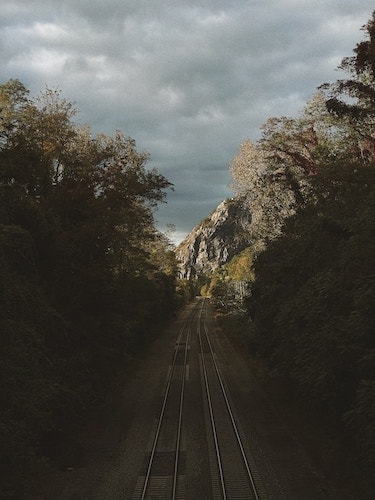
Excited to plan your Hudson Valley train trip, aren’t you? A little prep goes a long way (especially on one of the busiest Amtrak routes in the country). After all, this is a front-row seat to:
- Riverfront castles
- Lighthouses
- And landscapes that look like they came out of an Impressionist painting (because, they are)
First things first: download the free Hudson River Train Tour app. It’s like having a tour guide in your pocket. This National Park Service gem uses your location to tell you what you’re seeing out the window; real-time facts about:
- Historic mansions
- River islands
- And even old pirate tales
You can search by theme (like Freedom & Dignity or Corridor of Commerce). Or let the audio series, Voices of the Hudson, narrate your trip.
Want to go big?
Book a Hudson River Rail Excursion. These premium trips use restored 1940s railcars and feel more like a time-traveling day cruise than a train ride. But heads up: they only run a few trips in February and March 2025, so reserve early. Highlights include:
- Breakfast at Amtrak’s Metropolitan Lounge
- Lunch served at your seat
- A 2.5-hour stop in Albany to stretch your legs and explore
- A photo op on the red carpet before boarding (bring the camera)
Only doing a day trip? Take Metro-North, of course.
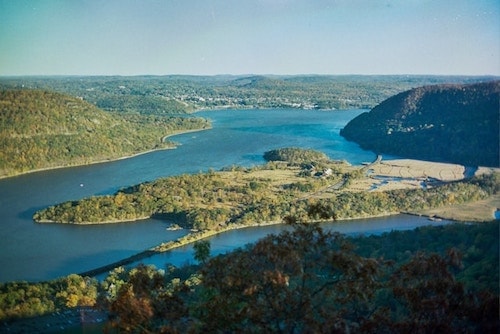
Metro-North to Poughkeepsie is a solid pick. It’s about a two-hour ride from Grand Central and drops you close to the Walkway Over the Hudson. Don’t skip the glass elevator ride; it’s like a slow-motion reveal of the river below. And the walk across is half a mile of Instagram gold.
Pro tips:
- Wear comfy shoes: you’ll want to explore
- Dress in layers. River breezes can surprise you
- Bring a camera: sunset rides in the fall are stunning
- Ride north in the morning for the best light; return south in the evening for golden hour magic
For a deeper dive into the region’s history, check out the “Windows on History” guide by the Hudson River Valley National Heritage Area. It’s packed with stories, old photos, and stop-by-stop tips to help you actually connect with the places you’re passing.
Tl;dr
Today, the Hudson Valley railway is more than a mere ride, or even a commute. It’s a reminder that travel can still feel magical. That slowing down isn’t a delay, it’s the point. This journey isn’t about how fast you get there. It’s about remembering why you hit the tracks in the first place.