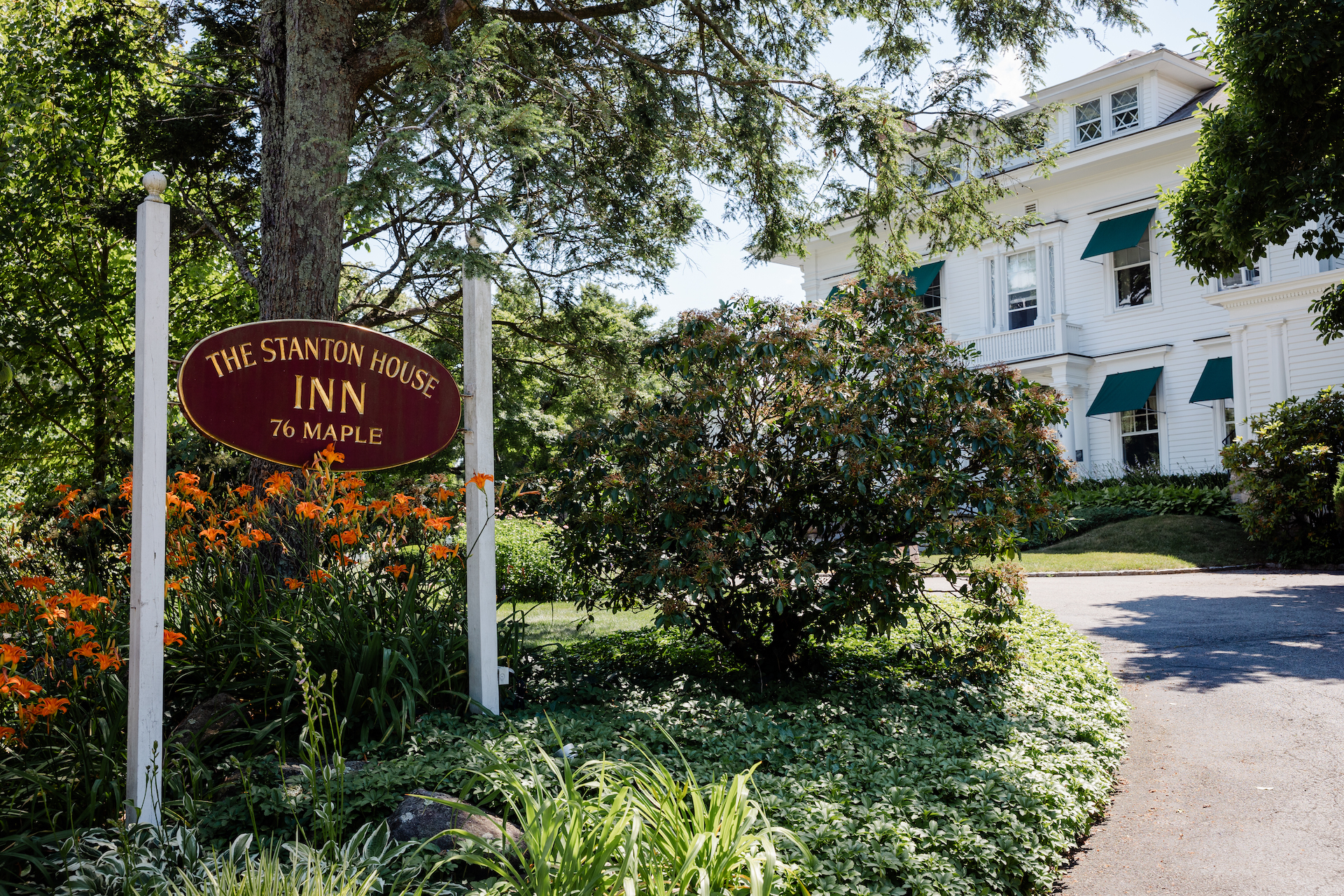


At Stanton House Inn, we’re not chasing glossy perfection or trying to feel like a generic luxury hotel.
We care more about calm, character, and the feeling of being truly looked after.
Around here, we call it elegantly charming hosting.
It’s our way of running a historic New England inn that puts people, pace, and presence first.

If you’d prefer to read than watch (or want to dig deeper into the ideas behind this) you’ll find the full philosophy below:
People often ask what makes Stanton House Inn so unique.
Not in terms of amenities or star ratings, but in the way it feels, and why:
- Guests relax so quickly here
- So many return year after year
- The house seems to have a rhythm all its own
This essay is our best attempt to answer that.
It’s not a manifesto, and it’s not a marketing pitch. It’s simply how we think about hosting. And, why we’ve chosen:
- Calm over spectacle
- Stewardship over scale
And what we call elegantly charming hosting over a more conventional idea of luxury.
If you’re curious how we run a historic inn when the goal isn’t to impress everyone, but to make the right guests feel understood, you’re in the right place.
The Problem With Modern Luxury
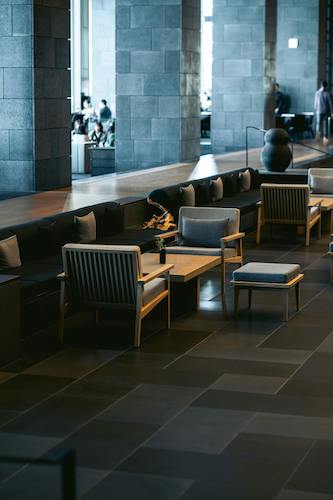
Modern luxury is great at perfection and yet quite bad at personality. I wanted Stanton House Inn to feel like a real place with a soul, not a perfect yet interchangeable product.
I didn’t set out to reject luxury.
In fact, when I first took over Stanton House Inn, one of the first things I did was go through the website and delete every use of the word luxury.
Not because I have anything against nice things.
I like the finer things in life, too.
Rather, the word didn’t feel like us, as we didn’t have:
- Marble bathrooms
- Velvet benches at the foot of every bed
- A staff trained to call you “sir” five times in one sentence
What we did have was something warmer. Something more real.
The real break with modern luxury came later.
It happened during a trip where everything, from the architecture to the thread count, was flawless. The building was beautiful. The service was polished. Every detail had been considered.
When Perfection Becomes Forgettable
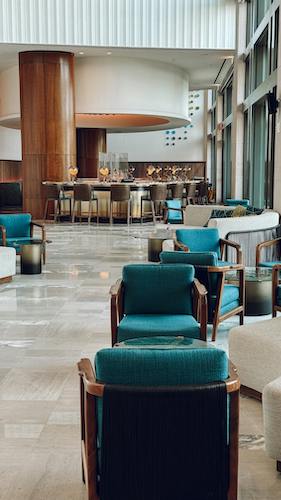 And yet, sitting in the perfectly arranged lobby, surrounded by neutral tones and designer chairs, I had a strange, sinking thought:
I could be anywhere.
That sameness hit me in the gut. It looked expensive, but it felt empty.
Sterile luxury has a very specific sensory profile:
- Cold, blue-white lighting bouncing off glossy tile floors
- The familiar “white tea” fragrance pumped through the HVAC system
- The soft hum of an elevator
- Suitcase wheels echoing on polished stone
And staff smiling politely, efficient and professional. And yet they were clearly somewhere else in their heads.
It smells like money.
But it doesn’t feel memorable.
Money can buy marble; it can’t buy the feeling of walking into a place that already remembers you.
I’ve stayed in plenty of hotels that check every box over which travel magazines swoon. The rooms were perfect. The art was tasteful. The bed was immaculate. And yet nothing felt personal.
Check-in was efficient, not curious.
No one asked what brought me to town.
No one mentioned a neighborhood worth wandering.
My room could have been in Dallas, Dubai, or Denver. Same rug. Same palette. Same art.
Luxury by algorithm: perfectly optimized, and quite interchangeable.
And to be fair, I wasn’t mistreated. Everything was technically fine. But there’s something about feeling generic that no amount of Egyptian cotton can fix.
By contrast, there are moments at Stanton House Inn that simply wouldn’t happen in a sterile luxury hotel.
Guests cross paths with my eccentric, third-generation innkeeper father as he comes over for coffee in the morning, or tends the garden in a big floppy hat. They run into me, a fourth-generation innkeeper (and just as eccentric), sitting on my laptop in the dining room as the sun sets outside.
This house has been in our family for generations. We don’t just work here. We belong to it.
Few luxury hoteliers can say the same about where they work.
And once you’ve felt that difference, it’s hard to unfeel it.
Feeling at Home Is the Highest Form of Luxury
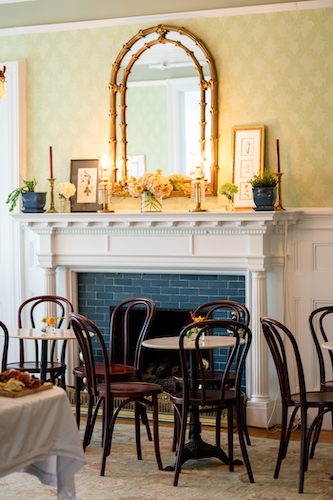
Guests rarely remember marble; they remember how a place made them feel. Our job is to make you feel settled, known, and eager to return.
What Guests Say
Guests describe Stanton House Inn as “welcoming and low‑key, with the sense that you’re part of the family.” They talk about:
- Cozy rooms
- Peaceful grounds
- And the feeling of being well taken care of without anyone hovering
Many call us a “home away from home” and tell us they can’t wait to come back.
What Guests Actually Remember
When guests talk about their best stays at Stanton House Inn, they never use the word fancy.
Instead, they come back to the same themes, again and again:
- Warmth
- History
- Ease
They describe the inn as charming, cozy, inviting. Old-world, rather than flashy. Reviews focus less on finishes and more on how the place made them feel.
They talk about friendly, attentive staff. About a check-in that feels welcoming, not transactional. About hosts who are present and communicative without being overbearing.
They mention the gardens and pool as peaceful and a little whimsical:
- Finding raspberries on a morning walk
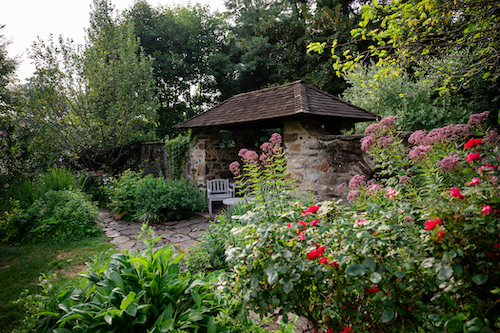
- Or discovering a tucked-away bench under the trees that feels like it’s been waiting just for them
Breakfast comes up often, too. Not because it’s extravagant, but because it’s relaxed. Thoughtful. A good way to start the day, rather than a rushed buffet.
The highest compliment we get isn’t, “This was so fancy.”
It’s:
- “This felt special.”
- “This felt comfortable.”
- “I can’t wait to come back.”
Feeling Known Instead of Processed
 At Stanton House Inn, feeling known is practical. Human.
We pay attention to repeat guests. The rooms they like. The pace they travel at. How much interaction they want. Maybe it’s remembering they like to arrive late and slip straight to their room. Or that they always ask for walking directions instead of restaurant reservations.
Communication stays personal:
- Text
- Phone call
- Or in person
So guests feel like they’re talking to a real person, not a “Dear Valued Guest” template.
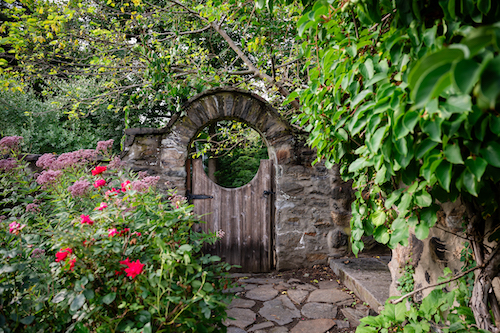
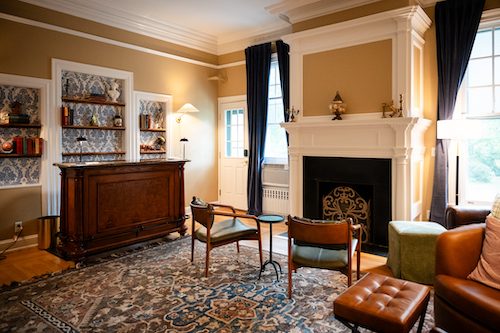
The house itself supports that feeling. No two rooms are the same. The building has plenty of quirks. The gardens have corners that invite lingering. The common spaces are meant for sitting, not just passing through.
In practice, feeling known is when a guest thinks:
They see how I like to travel, not just that I booked a room.
That also means saying no to certain things.
I resist anything that would turn the inn into a polished-but-generic experience. No copy-and-paste décor. No identical rooms. No sterile lobby designed purely for Instagram.
I don’t script staff into fake enthusiasm or constant upselling. The tone stays relaxed. Observant. Conversational.
And I don’t chase the luxury label itself. The moment you lean too hard on that word, expectations flatten and nuance disappears.
We borrow ideas from luxury when they make sense.
There’s a definition I like from the design world:
Luxury is getting exactly what you want, when you want it, how you want it, before you’ve asked.
For us, that means less marble and more order, practicality, and thoughtfulness. What you need within arm’s reach, without fanfare.
There’s an old adage in the boutique hotel world that fits us even better:
It’s like home, only better.
Why it’s better varies by guest. That’s the point.
A Different Kind of Luxury
 We see this clearly with guests who also stay at the luxury hotels in town. And they’re all impressive. Beautiful. Well-run. Many guests move easily between the two places.
Some go right back to the hotel after staying with us once, where everything is polished and predictable.
Others become regulars here, where nothing is generic (and that’s the point).
Not because we offer more amenities. We don’t.
- No 24-hour front desk
- No spa
- No room service
- No marble-everything bathrooms
- No bellhops
- Not even an elevator in our historic house
They come back because the experience isn’t generic. Ever.
For some people, luxury means brands, uniform perfection, and polish. That’s valid. It’s just not what we’re building.
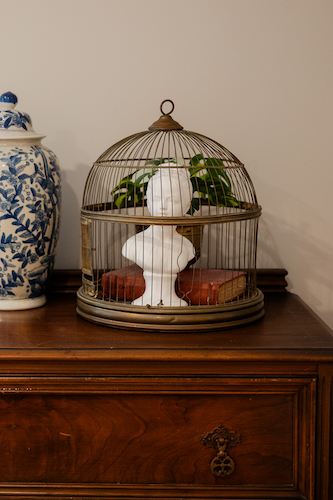
Luxury here looks like time, space, and being treated like a person instead of a reservation number. A historic house with character. Rooms that don’t follow a corporate playbook. Staff who know why you’re in town (and when to give you space). Gardens where you can wander without a badge or agenda.
If that doesn’t fit someone’s definition of luxury, that’s okay.
What we offer is comfort with a soul.
Not perfection from a catalog.
The Inherited Estate Model
I don’t think of Stanton House Inn as “my” project so much as a house I’m responsible for, for a while. That mindset nudges every decision toward what will still feel right decades from now.
Stewardship Changes the Shape of Every Decision
This is what “stewardship over scale” looks like in real life at a 21‑room inn.
Stanton House Inn has been welcoming guests since 1985.
My family stepped in long before it became “mine on paper.”
Our family has been running Stanton House Inn as a bed and breakfast in Greenwich for more than 35 years, in a house whose story stretches back to the 19th century.
That makes it hard (impossible, really) to pretend I’m the main character in its story.
Day to day, running the inn feels less like ownership and more like being the next person trusted to keep the place aligned with its purpose:
- Connection
- Elegantly charming hosting
- And leaving the place better than we found it (one of our core values)
This house has outlived multiple owners, multiple eras, and more than a few design trends, from:
- Lace doilies
- And Shabby Chic
- To gray-and-white minimalism
Knowing that, it’s hard to strut around thinking, This is mine. It’s much easier (and more honest) to think:
I’m the current caretaker.
My job is not to mess this up.
That mindset definitely stretches your sense of time.
Instead of asking, “Will this pay off this quarter?” I find myself asking, “Will this still make sense in ten, twenty, fifty years?” That shift alone changes everything.
It nudges decisions toward things that age well. Preserving original details instead of sanding them down. Choosing materials that patina rather than peel. Investing in systems future innkeepers will never notice, though they’ll certainly appreciate when nothing breaks at the wrong moment.
When you assume you’re not the final chapter, a surprising number of decisions get simpler.
It becomes easier to:
- Say no to cheap, trendy renovations that would strip out character just to look current on Instagram
- Choose craftspeople and high-quality fixes over quick cosmetic flips, even when guests might not consciously notice the difference
- Let quirks remain (slightly crooked floors, old trees, odd angles) because they’re part of the house’s story, not problems to be erased
Elegantly charming design favors patience over polish.
I’m not writing the last word here.
I’m adding a solid chapter.
That same lens makes it easier to pause or slow new offerings when they start pulling focus from what actually matters. So many things can be good ideas, until they aren’t.
Stewardship makes it simpler to double down on rooms, reviews, and guest experience instead of chasing every growth opportunity the industry says we should pursue.
 There have been a few clear moments where I chose stewardship over fast, uncomplicated profit. At the time, they felt uncomfortable. In hindsight, they read like through-lines.
I kept pouring time, money, and attention into room renovations and physical improvements even when margins felt tight, because I could see how they raised the baseline experience and guest trust over years, not quarters.
I learned (sometimes the hard way) that some revenue is too expensive in attention. Certain events taught me that lesson clearly. Over time, that pushed us away from “any profitable booking” and toward a more selective approach that protects quiet, overnight guests as the core of the business.
And I chose to treat video, design standards, and internal playbooks as long-term assets rather than quick marketing hacks. Investing in clarity and consistency isn’t flashy, but it’s how the inn can outlive any one person’s memory or presence.
Zoomed out, the pattern is obvious.
The choice hasn’t been more, faster.
It’s been fewer things, done in a way for which future-me (and future innkeepers) won’t have to apologize.
If someone treated Stanton House Inn as disposable, the first thing to break wouldn’t be the balance sheet. It would be the soul of the place.
Cut corners. Cheaper finishes. Louder events. Generic branding. One-size-fits-all “luxury updates” that erase personality, little by little.
Staff would feel it. Guests would feel it. And eventually the house itself would show it: overworked, under-loved, and strangely hollow.
The building might still stand.
But it would feel like a stage set: pretty, efficient, and oddly empty.
Once that trust erodes, no amount of marketing (or “luxury” language) can bring it back.
Rules, Rhythm, and Memory
How a House Sets the Pace
Great houses have a rhythm.
Not a rigid schedule.
A pace you fall into without thinking about it.
At Stanton House Inn, guests tend to slip into a very specific daily and seasonal flow almost immediately.
Mornings are structured, but relaxed. Breakfast is served in a clear window. Familiar faces appear in the dining room. Staff move through the space in predictable patterns that make the house feel efficient, not frantic. There’s no rush to turn tables or push people along. The morning has a shape, and guests settle into it.
Evenings feel like a landing.
The clink of glasses in the Lounge. The low murmur of conversation in the halls. The last guest wandering in from the garden with grass on their shoes. People drift back from dinner. Some settle into a nook. Others linger outside a little longer. The energy lowers on its own.
We don’t need signs shouting “Quiet Hours.”
The house does that work for us.
And the seasons carry their own tempo, too.
Winter is for planning and improvements. Spring and summer spill outward into gardens and pool time. Fall brings foliage, shoulder-season escapes, and a slightly slower pace. Guests never see the back-end calendar, but they feel the steadiness it creates. The experience doesn’t lurch or scramble; it unfolds.
Why Rules Make Calm Possible
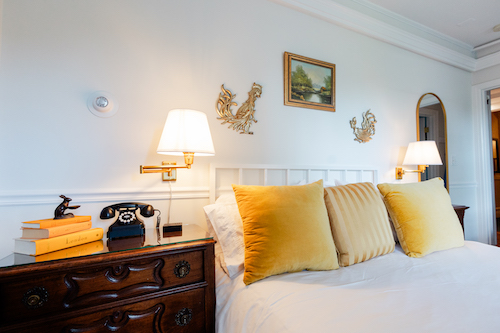 That rhythm is protected by rules, quiet ones.
Our policies act like invisible fences. They’re there to protect the guest experience, the team, and the house itself.
Clear expectations around payment, cancellations, and deposits mean fewer surprises at check-in and more trust that everything is handled like a real business, not a hobby.
We take payment before arrival on purpose, so we never have to talk about money in person. Instead, we can dive straight into the fantasy of arriving at a friend’s (or an eccentric relative’s) home.
Expectations around quiet, cleanliness, and behavior matter just as much, like how we manage:
- Pets
- Events
- Children
- Noise
Those boundaries protect the calm, restorative experience our core guests come for. And reviews keep rewarding that consistency.
Predictability is what allows a slightly creaky, historic house to feel like a sanctuary instead of a gamble.
Guests know they’ll get a consistently high baseline:
- Rooms updated on a thoughtful cycle
- A design language that stays cohesive while allowing plenty of quirk
- Reliable cleanliness
- And systems that keep the house’s old bones charming instead of rickety
Because the fundamentals feel handled, quirks read as character, not chaos. Creaky floors comfort. Odd angles feel intentional. People relax when they’re not bracing for surprises.
When every rule is bendable, hospitality stops feeling generous and starts feeling exhausting (for the team, especially).
On the back-end, “anything goes” turns into:
- Blurred roles
- Delayed decisions
- And constant firefighting
Leadership spends more time reacting than hosting. For guests, that looseness eventually leaks out as uneven service, frayed staff, and small frictions that chip away at trust.
One of my personal rules for team members is simple: if you wouldn’t feel comfortable hosting a certain guest in your own home, the inn probably isn’t the right place for them.
That standard protects everyone.
It matters deeply to me that our team is well taken care of, so they can take great care of our guests.
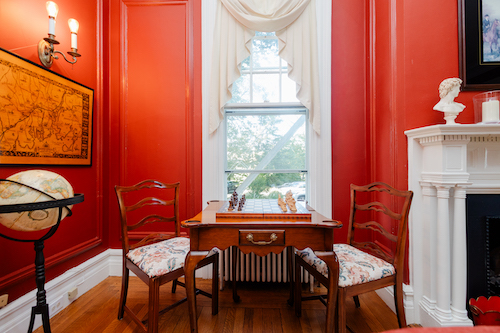 Boundaries make that possible.
They also help attract the right kind of guest: people who respect the house, understand its rhythm, and don’t ask for constant exceptions.
Our most valuable guests (what we call Champions) are regulars who are not only loyal, but a genuine delight to host. They rarely ask for special treatment. They never demand it out of entitlement. They send friends who get it, not people hunting for a bargain or a brag.
Underlying all of this is a long memory.
Years of reviews, repeat visits, and experiments have taught us what actually works:
- Calm
- Connection
- Clear ownership
- And elegantly charming hosting
The house is now set up to repeat those beats on purpose, not by accident.
We ask for feedback often. Reviews, especially, are one of our best teachers. When guests say they loved everything except one small thing, we pay attention. If we agree, we fix it. Room designs evolve this way, too, either correcting what didn’t quite work or protecting what guests consistently appreciate.
Past seasons and past missteps live quietly inside the rules now:
- More selective events
- Integrated offerings
- Documented standards
- And an almost stubborn refusal to trade short-term revenue for long-term trust
That memory doesn’t weigh the house down.
It’s what makes it feel settled.
Boundaries Are a Form of Care
Designing Against Burnout
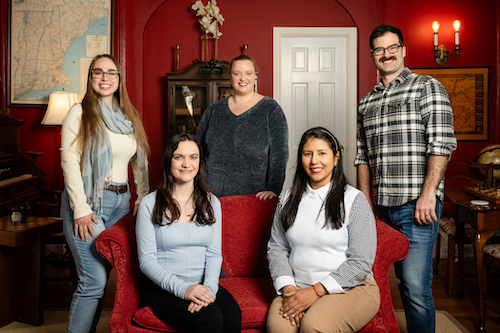
Hospitality has a burnout problem.
Years ago, another innkeeper told me the average innkeeper lasts about seven years before burning out and leaving the industry entirely. That number stuck with me. And not as a statistic, but a warning.
I’ve been consciously designing against that outcome ever since, building a business that actually lives our core values instead of a list of them on a wall.
One of my rules of thumb is simple:
If I wouldn’t be willing to do a job myself, I’m not going to ask someone on the team to do it either. That lens forces honesty and keeps expectations grounded in reality, not tradition.
Another rule is just as important:
Work should stay at work. I care about work–life balance partly because I’ve worked in places that didn’t.
Hospitality already asks a lot from people; it shouldn’t take everything.
Early on, I read a book by an innkeeper from the early 2000s. One passage stood out: the author insisted on being awake late at night to greet arriving guests and up again early the next morning to serve breakfast. Presence matters, of course. But taken literally, that’s a recipe for burnout.
Today, we always have a team member available for assistance and someone up early to serve breakfast and greet guests. What we don’t do is make it the same person. Long-term, that approach breaks people.
My first year running Stanton House Inn nearly broke me, too.
In 2019, I inherited many of my parents’ operating practices, very much in line with conventional bed-and-breakfast management at the time. I did everything:
- Breakfast service
- Laundry
- Cleaning rooms
- Greeting guests
- Administration
- Marketing
That year proved that “a genius with a thousand helpers” is not a business model.
Martyrdom isn’t hospitality. It’s simply unsustainable.
During the early days of the pandemic, we made a major shift. We changed our front desk hours from a long, stretched window to a tighter one: focused mornings and afternoons. At the time, the decision was driven by circumstance. What surprised us was how well it worked.
Guests were usually tired by the time they arrived in the evening. They didn’t want a long interaction. They wanted to settle in, head out to dinner, and wind down. Meanwhile, the team could focus energy where it mattered most: breakfast, getting the house ready, and welcoming early arrivals.
Over time, we’ve adjusted those hours slightly later to allow for more unhurried guest interaction. What we haven’t done (and won’t do) is return to a 9 PM front desk.
That choice comes with tradeoffs. We’ve had guests complain, some in person, some in reviews. But those same boundaries allow us to run a smaller team that’s compensated as well as we can in an area with a high cost of living.
Before the pandemic, we followed a more traditional model:
- A larger team
- Stretched across more hours
- None of them particularly well compensated
I don’t miss that version of the business.
Jobs need to be jobs people actually want to do. Most people don’t want to be up at the crack of dawn and working late into the evening. And, after doing it myself, I don’t want that for anyone here.
What we’ve learned is that a front desk doesn’t need to be open all the time; it needs to be open when it matters most. And when it isn’t, the systems need to be good.
Over the years, we’ve intentionally designed processes to remove friction rather than staff it away. Extra towels used to be one of the most common after-hours requests, so we started leaving extra towels in every room. Requests dropped and guests felt taken care of before they even had to ask.
Lost keys were another issue. So we got rid of physical keys entirely. Every door now uses an electronic code tied to the guest’s phone number. Guests can come and go easily at any hour, the house is more secure, and the team sleeps better.
These kinds of decisions reduce burnout while quietly improving the experience. They align with one of my favorite definitions of luxury:
Getting what you want, when you want it, before you realize you need it.
Sometimes, boundaries mean saying no more directly. We’ve fired guests who expected 24-hour personal service. One guest called at midnight asking for a 7 AM wake-up call. After that stay, we suggested they book a hotel with a 24-hour front desk instead.
That wasn’t punitive; it was honest. Not every traveler is a Stanton House Inn guest, and that’s healthy for everyone.
Stanton House Inn isn’t a chain hotel. It’s closer to staying at a friend’s (or an eccentric relative’s) house. And if you’re staying in someone’s home, you wouldn’t expect them to be at your beck and call all night.
The guests who understand that love it here. Some platforms reflect that better than others:
Yelp, for example, often reflects mismatched expectations more than a lack of care.
Meanwhile, guests who value responsiveness, privacy, and calm consistently mention how much they appreciate the setup. They praise staff availability via text and note how peaceful the house feels; they treat the boundaries as part of the experience, not a flaw.
With 21 rooms, we don’t need everyone to love staying here. We just need the right people to feel deeply at ease. They help protect the house, the team, and the kind of hospitality worth sustaining.
Why This Model Resists Scale (and Why That’s Fine)
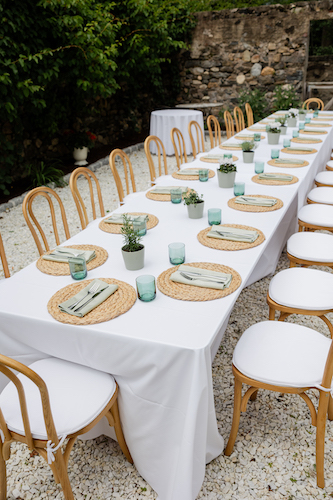
What Can’t Be Replicated
Some parts of the Stanton House Inn experience would be difficult (if not impossible) to replicate elsewhere.
The most obvious is the house itself.
Stanton House Inn isn’t just historic. It’s personal. My family’s relationship to this property stretches back generations, and that emotional tie shows up in a thousand small decisions each day. If we ever expand to another property, it will almost certainly be historic as well. Stewardship matters to us. Preserving old houses for future generations feels like an important part of the job.
But even then, the relationship will be different. Another house can be cared for deeply. It just won’t carry the same Pearson family history. And pretending otherwise would be dishonest.
Then there’s the guest community.
We are extraordinarily lucky with the guests we host, as well as how often they return. Over time, something rare has happened here. Regulars recognize each other. They recommend restaurants and walking routes to new guests. Sometimes they even make plans together. When the same guests run into each other year after year, it feels less like a hotel and more like an adult summer camp.
That kind of community can’t be manufactured. If it exists somewhere else, it would grow slowly, over years, the same way it did here. It wouldn’t arrive on opening day.
And then there’s the whole experience itself.
We don’t sell rooms. We sell ease. Familiarity. Trust. The feeling of being well hosted in a place that knows itself, from its:
- Historic bones
- To its local recommendations
- To the walkable rhythm of Greenwich
I hope we could recreate something like that elsewhere. But I’m realistic enough to know it wouldn’t be identical. And chasing “perfect replication” is where things start to feel generic and second-hand.
There’s another part of the experience that doesn’t scale cleanly: direct, personal connection.
Each month, I send a newsletter to guests and potential guests. It’s inspired by an older tradition. That is, letter writing, the kind people used to do when they wanted to stay connected across distance and time. I write about:
- What’s happening in Greenwich
- What’s changing at the inn
- And the small details that make a place feel alive
It’s one of the most important things I do. Not as a marketing tactic, but as an ongoing conversation with people who care about this place.
I don’t hear back often via email. But guests regularly bring it up in person. They tell me they enjoy reading it. That it feels personal. Familiar. Like hearing from someone they know.
More than once, guests have told me they returned after years away because those monthly letters kept the inn top of mind when they finally made their way back to this part of the world. Occasionally, we even receive positive reviews years after a stay, long after the details should have faded. I like to think staying in quiet touch helped keep that connection alive.
That letter isn’t outsourced. And it takes real time and attention. I’d say it works because it comes from a specific place, written by someone who knows the house, the town, and the people who return again and again.
A second property would change that dynamic immediately.
I wouldn’t be able to write the same letter on behalf of two places with the same care. The choices would be simple and uncomfortable:
- Dilute the quality
- Split the voice
- Or let the practice go altogether
And lower quality isn’t an option.
So the question becomes less about whether something can scale, and more about what you’re willing to protect when it doesn’t.
When Attention Becomes the Bottleneck
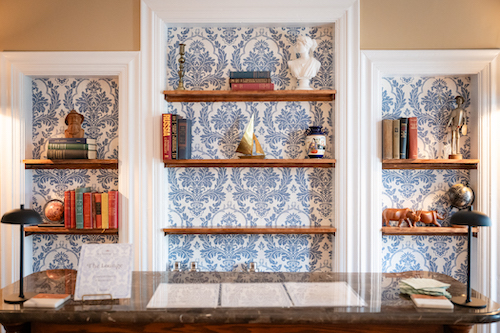 What tends to break first when hospitality tries to scale feeling instead of function is attention.
Operations can scale faster than attention. Feeling rarely does.
Leadership and staff get pulled into new properties, new offerings, and new initiatives. On paper, everything still looks aligned. In practice, the quiet, restorative core experience starts to thin under the weight of ambition.
I saw a version of this recently while traveling. There was a restaurant I used to love, one I thought about long after leaving the city. When I returned years later, the brand had expanded quickly. The décor was trendier. The menu broader. But the experience felt flatter. A few locations had already closed. The dish I remembered most vividly was disappointing.
We ended up finding another local spot instead. The enterprise is still growing, but it’s clearly focused on delivering a premium experience at each location before reaching for the next one.
That pattern shows up everywhere once you look for it.
As scale increases, connection often gets flattened into scripts and campaigns. Instead of compounding trust through hundreds of small, genuine interactions, brands chase spikes:
- Events
- Add-ons
- Spectacles
That photograph well but thin relationships. The work shifts from hosting to managing complexity.
This is where the difference between consistency of product and consistency of care becomes clear.
Product consistency is every room looking and operating the same. Care consistency is every guest feeling well taken care of, even when something goes sideways.
We deliberately systematize the right things:
- Design standards
- Brand guardrails
- And documented ways of doing things
That keeps the baseline reliably high, even as team members change. But care itself stays situational. A long conversation. A better restaurant suggestion. A flexible check-in when it matters.
Those moments don’t look identical. They’re governed by the same intent.
If we ever did add another property, a few principles would be non-negotiable.
Our purpose would remain centered on connection. We’d continue to think in terms of profit per guest rather than profit per room, prioritizing long-term relationships over short-term yield. Boundaries that protect staff and guests would remain intact. Calm would win over spectacle. Every opportunity would still be filtered through a simple question: does this strengthen the whole system?
Clear ownership would matter, too. No “genius with a thousand helpers” model. Quality before growth. Design that begins with the building’s own story rather than forcing a one-size brand package onto it.
At the same time, some things simply couldn’t be copied.
The specific history of Greenwich. The exact guest roster. The way this house has been broken in by decades of stays. A new property would need to earn its own soul, not wear a Stanton House Inn costume. Even the design language would need to shift, shaped by that house’s history rather than mine alone.
Where brands tend to lose their soul is when standalone wins start competing with the core experience.
Restaurants that overshadow rooms. Events that crowd out rest. Instagrammable moments displacing privacy and calm. Places that begin as homes that host slowly turn into venues with rooms.
The brand language stays intimate. The lived experience feels busy, divided, and oddly hollow.
Whenever a shiny new offering isn’t deeply integrated into the guest journey (and doesn’t have clear ownership) it stops compounding trust and starts competing with it.
Our model doesn’t scale easily.
That’s not a flaw.
It’s the whole point.
The Advantage of Long-Term Thinking
Success Measured in Decades, Not Quarters
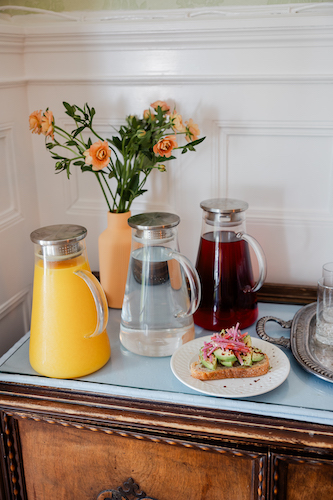 Long-term thinking at Stanton House Inn looks less like chasing growth and more like tending a living, inherited estate.
That idea has always resonated with me. It’s part of why I enjoyed Downton Abbey, of all things. Not because I’m aristocratic (I’m quite the opposite, politically and temperamentally) but because the central question felt familiar:
How do you care for something meaningful, knowing it existed long before you and will need to endure long after?
When you think that way, success stops looking like dramatic spikes and starts looking like deeper roots.
We’ve accepted slower, steadier growth in exchange for something far more valuable:
- Energy we can sustain
- Relationships that compound
- And a business that doesn’t exhaust the people running it
Growth has continued, but it’s come from higher guest value over time, not dramatic surges in volume. Design, operations, and guest relationships all benefit from that posture, especially that last one.
Renovation now sits inside a clear, written design language.
Our playbooks and strata give future stewards a North Star. New projects don’t feel like reinventions or genre shifts. They read as new chapters in the same book. Period-appropriate materials, classic forms, and durable finishes anchor rooms so they age well. Tweaks happen over years. The bones stay steady.
Hiring follows the same long view.
Roles and training are shaped around our brand promise, not mere task lists. We evaluate people and positions against connection, calm, and the idea of guests being held, not handled. That ensures the people we bring in can actually deliver the experience we claim as part of our brand, rather than just keeping the lights on.
Marketing has slowed down (and strengthened) as a result.
We focus on owning specific terms and phrases:
- “Greenwich CT bed and breakfast”
- “Connecticut bed and breakfast”
- “New England inn”
That naturally favors evergreen content and reputation over short-term promotional spikes. Each guide, video, or essay shortens the “do I trust you?” phase for future guests instead of chasing fleeting attention.
The long, sometimes slow work of brand positioning; that is clarifying:
- Purpose
- Promise
- And proof points
Is now paying dividends.
It also explains why, during messy periods, demand still held: guests weren’t chasing a deal; they chose a relationship.
It gives us a filter. We know which media opportunities, partnerships, and ideas deepen the story, and which ones would just add noise. Codifying what on-brand looks like allows us to grow beyond founder intuition without losing the thread. That discipline is what makes newer experiments course-correctable instead of existential.
Our founder’s story has become part of that infrastructure:
- Family stewardship
- Queer owned
- An inherited house with a long memory
What once lived as a “nice bio” now functions as a strategic asset. Guests who resonate with that story tend to be more forgiving, more vocal in reviews, and more likely to return. Many arrive already aligned.
They’ve watched the videos. They’ve read about the house’s feminist roots and queer present. They actively want a values-aligned, independent place; not a faceless brand.
These guests tend to be meaning-seeking travelers: educated, urban professionals who care about design, history, and ethics. And they respond strongly to brands that know who they are, and make that easy to feel on arrival.
Internally, our strata and brand guardrails act like an immune system.
Any new idea has to pass tests around purpose, guest, promise, and proof. If an idea doesn’t strengthen the overnight guest experience, clarify the brand, or protect quiet, it misses the cut. That keeps us from bolting on shiny offerings that confuse what Stanton House Inn actually is.
Our positioning as a calm, connection-led, historic inn works precisely because we are not trying to be everything for everyone. Clarity sharpens the edges. And sharp edges make saying no easier.
Strategically, success looks like fully owning a chosen territory:
Like being the default mental answer to “Greenwich bed and breakfast” and “Connecticut inn”
With a brand platform strong enough to support future properties or digital expansions without reinventing ourselves each time.
Culturally, success looks quieter.
A house and team that can outlast any one owner. Values and guardrails that survive leadership changes. A connection-first story that remains central. An inn that becomes known locally as a good steward in town, not just a profitable address.
Success, in that frame, is simple: guests who keep saying, “I would love to come back,” and a house that’s ready to welcome them when they do.
That’s the advantage of thinking long.
A House That Knows Itself
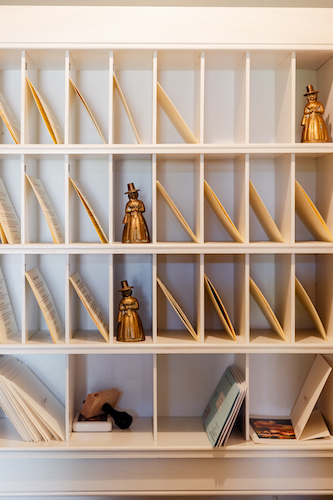
At some point, running a great bed and breakfast inn stops being about what you add and starts being about what you protect.
For us, that means choosing calm over cleverness. Care over scale. Depth over display.
It’s meant treating Stanton House Inn not as a product to be optimized, but as a place to be stewarded, with:
- Memory
- Rhythm
- And limits that make people feel held rather than handled
None of this is fast. None of it is flashy. And very little of it photographs well.
But it lasts.
In the way guests relax the moment they walk through the door. In the way staff can do good work without burning themselves out. In the way a house with creaky floors and old trees feels more reassuring each year, not less.
If this kind of calm, thoughtful hospitality sounds like your speed, you’ll probably feel at home here long before you unpack your bag.
Elegantly charming hosting isn’t a style choice.
It’s a commitment to patience, presence, and paying attention over time.
It’s what happens when a house is allowed to grow up instead of glow up.
The goal has never been to impress everyone. It’s been to make the right people feel understood.
If we’ve done our job well, the experience doesn’t announce itself. It settles in. It feels familiar sooner than expected. And long after the stay is over, it leaves behind a simple, durable thought:
I would love to come back.
That’s enough.
Because when a house knows itself (and is cared for accordingly) it doesn’t need to chase relevance.
It keeps showing up, season after season, ready for whoever needs exactly what it offers.
If you’d like to experience elegantly charming hosting for yourself, you’re welcome to check dates and availability for your next Greenwich getaway here.